
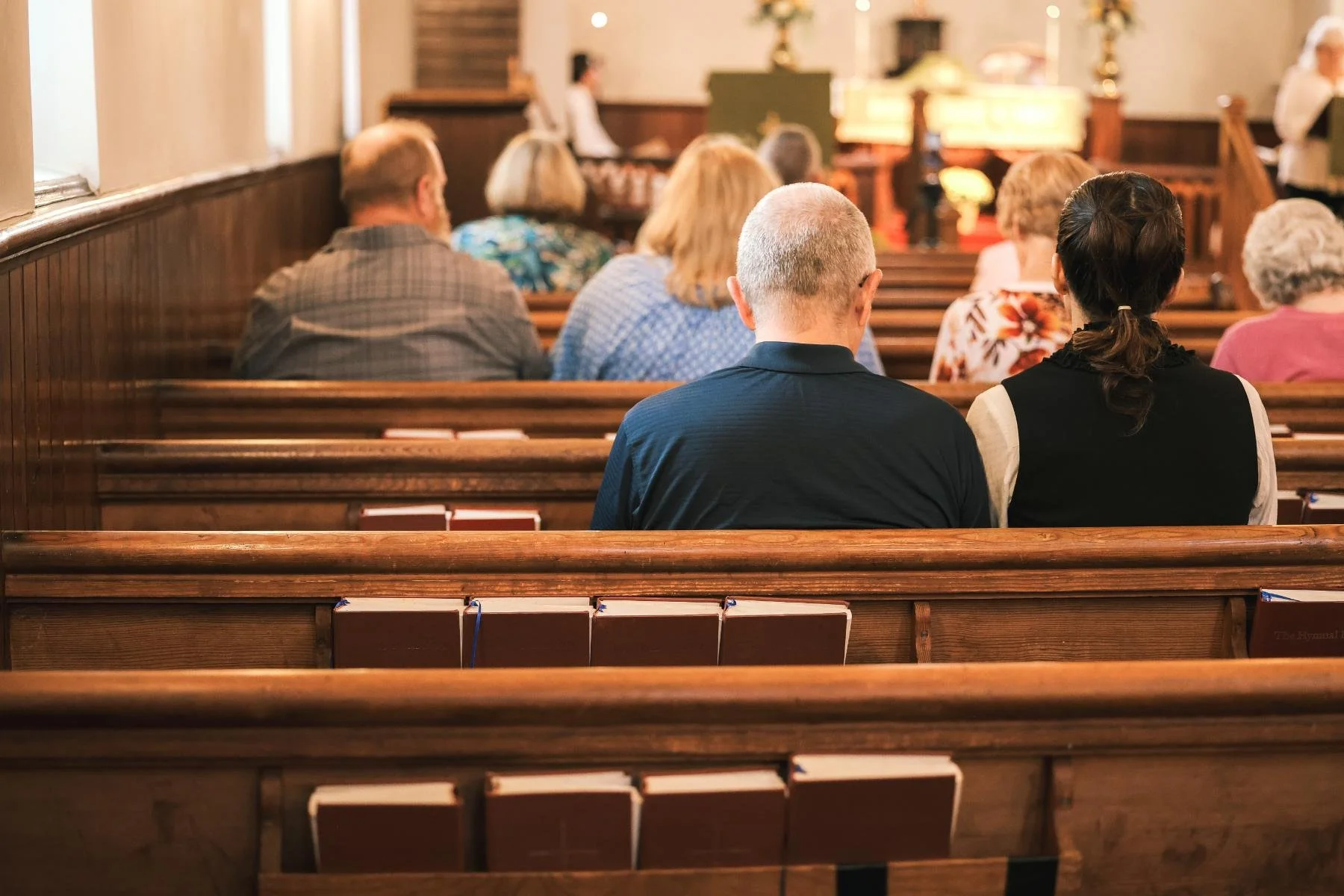
Sacraments at St. Stephen’s
The sacraments live with us, change us, and gird us with grace as we seek to grow into the full stature of Christ.
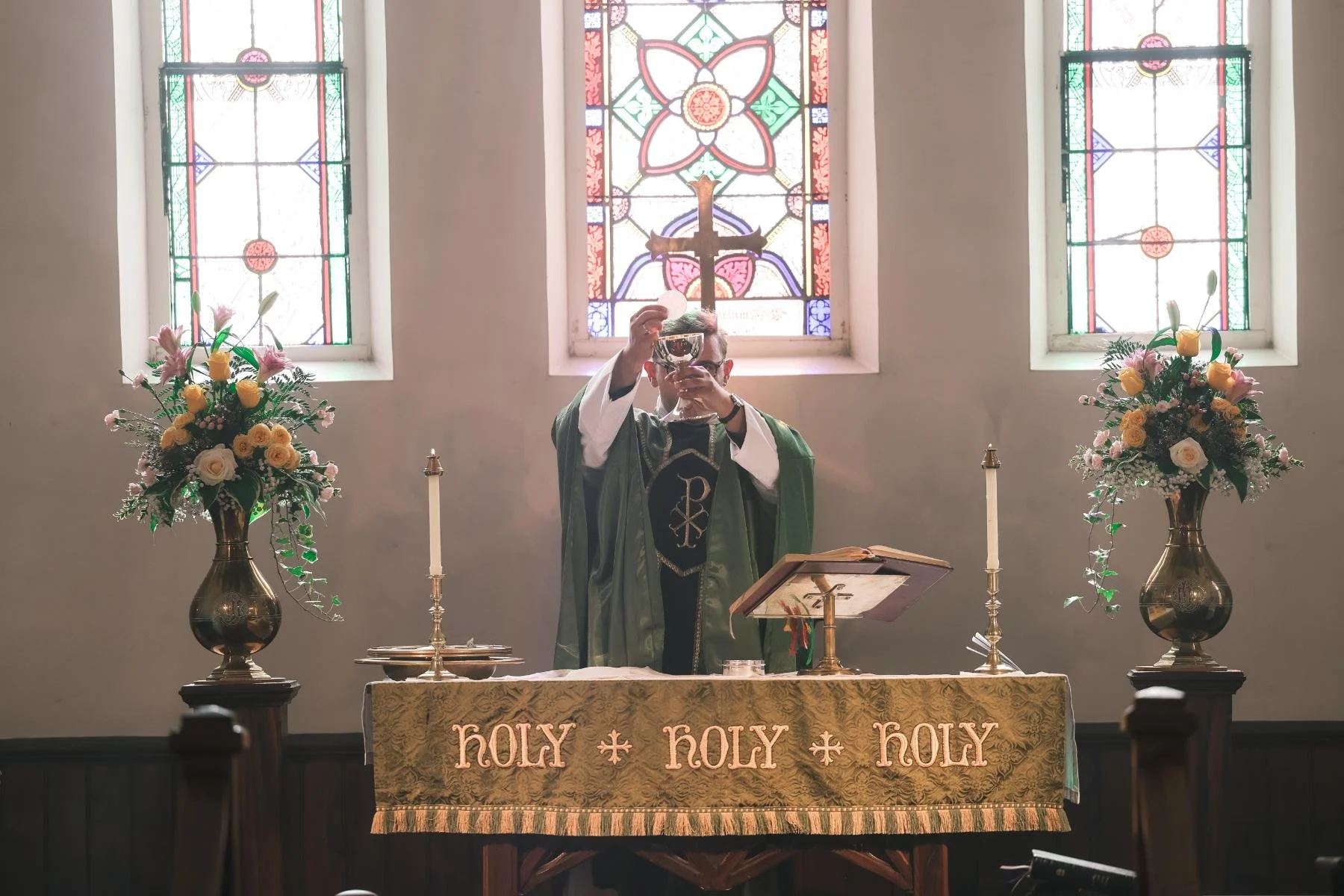
The Holy Eucharist
“Eucharist” means “thanksgiving.” In the Holy Eucharist, ordinary bread and wine of the world become the Body and Blood of Jesus Christ. In the blessing, breaking, and sharing of this Body and Blood, we profess the real presence of Jesus Christ in and with us. We come back to the altar again and again not to flee from the world around us, but to be fed to know Jesus in the world around us.
All baptized Christians are welcome to receive the Holy Eucharist at St. Stephen’s.
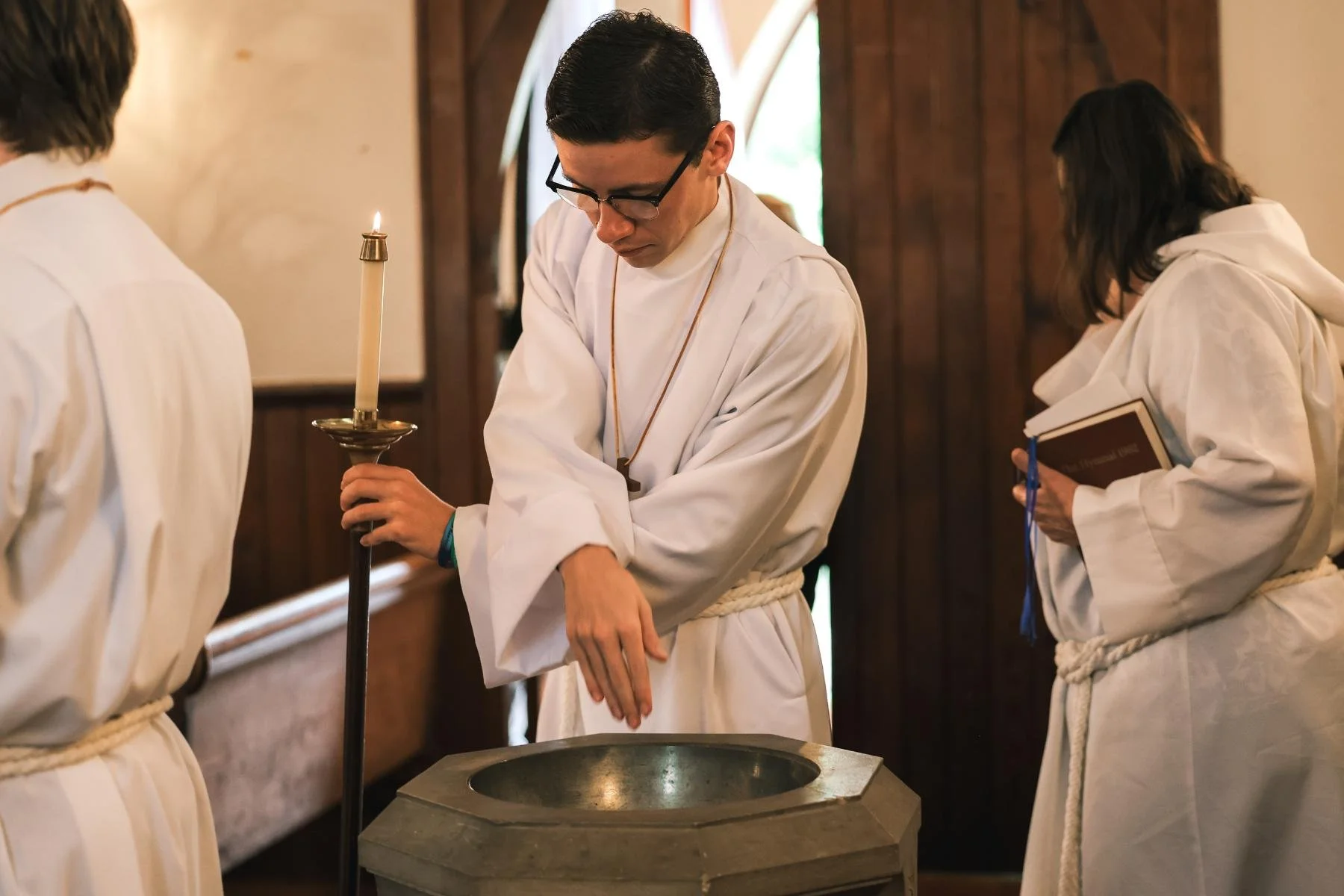
Holy Baptism
In Holy Baptism, water—poured over our heads, whether as infants or as adults—is the means by which God’s grace is given to us to become members of His Body, the Church. We are baptized in the name of the one God: Father, Son, and Holy Spirit, and so enter into relationship not only with God, but with the community of all those—past, present future—who profess faith in Jesus Christ.
If you are interested in the sacrament of Holy Baptism for yourself or your children, contact Fr. John: jhager@ststephensculpeper.net

Sacramental Rites
Contact Fr. John if you are curious about these Rites: jhager@ststephensculpeper.net
-
In Holy Matrimony, two persons make vows to God with one another and the Church to show forth God’s love in their own love for one another. Holy Matrimony at St. Stephen’s involves several meetings with clergy in addition to the celebratory day itself.
-
In the Reconciliation of a Penitent, also called Confession, anyone has the possibility of confessing their sins in the presence of the priest, receiving the assurance of God’s limitless pardon and forgiveness.
-
In Confirmation, a baptized Christian makes a mature profession of commitment to Jesus Christ. The Bishop lays their hands on the confirmand and anoints them with sweet-smelling oil as a sign of the strength and grace of the Holy Spirit.
-
In Unction of the Sick, someone who is seriously ill may choose to be anointed and prayed for by a priest—assuring them of God’s power to heal in body, mind, and spirit.
-
In Ordination, persons are called to receive the authority and grace of the Holy Spirit as deacons, priests, and bishops.